
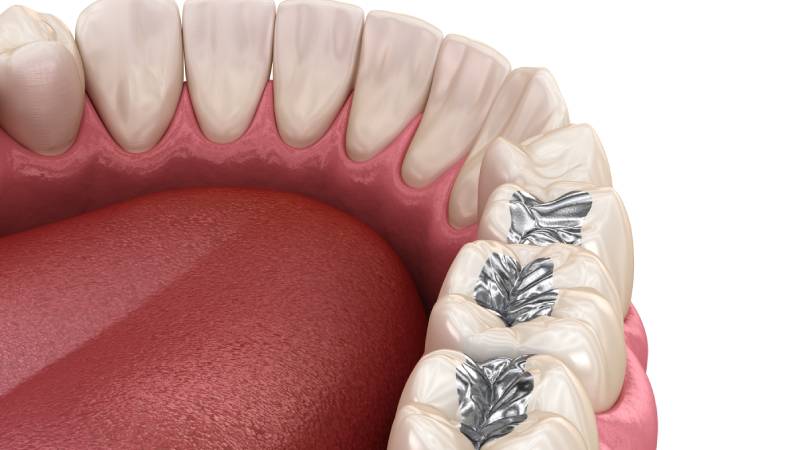
Many patients today are taking a closer look at the materials used in their dental care, especially older silver-colored amalgam fillings. These restorations have been used for decades, yet they contain mercury, which has raised concerns for some individuals.
As awareness grows, more people are asking about safe amalgam filling removal and what protocols are followed to reduce exposure during the process. Understanding how this procedure is approached may help patients make informed decisions about their oral health.
What Are Amalgam Fillings?
Amalgam fillings are made from a mixture of metals, including silver, tin, copper, and mercury. They were widely used because of their durability and cost-effectiveness. Many patients visiting a Kitchener dental clinic today still have these fillings from earlier dental treatments. While amalgam restorations remain stable when intact, some patients choose removal due to cracks, wear, or personal concerns about mercury content.
It is important to note that removal is not always necessary. A Dentist in Kitchener may recommend leaving an amalgam filling in place if it is functioning well and not causing symptoms. When removal is considered, safety becomes the primary focus.
Why a Safety-First Approach Matters
Improper removal of amalgam fillings may release mercury vapour and particles. This is why modern dental practices follow strict safety protocols designed to reduce exposure for patients, staff, and the environment. Patients searching for an emergency dentist nearby in Kitchener or planning elective procedures often ask what precautions are taken during amalgam removal.
A safety-first approach may include isolating the tooth, using specialized suction systems, and ensuring proper ventilation. These steps aim to manage particles generated during the procedure and support patient comfort throughout the visit.
Understanding SMART Protocols
Many clinics follow protocols aligned with SMART guidelines, which stands for Safe Mercury Amalgam Removal Technique. These guidelines outline a series of steps intended to reduce mercury exposure during removal. While not all clinics use the same terminology, SMART-aligned protocols emphasize preparation, containment, and careful handling.
Common elements may include the use of rubber dams to isolate the tooth, high-volume evacuation to capture particles, and protective barriers for the patient. Some practices also incorporate air filtration systems and proper disposal methods. Discussing these measures with a dental provider helps patients understand what to expect before treatment begins.
When Amalgam Removal Is Considered
Amalgam removal may be part of a larger treatment plan. For example, a patient preparing for dental implants in Kitchener or orthodontic treatment may review existing restorations as part of their care. In some cases, replacement is recommended due to structural concerns rather than material preference.
Patients undergoing Orthodontics in Kitchener may also review old fillings if bite changes place additional stress on existing restorations. Each situation is unique, and decisions are based on clinical findings and patient goals.
After Removal: What Comes Next
Once an amalgam filling is removed, the tooth is restored with a material selected based on function, aesthetics, and individual needs. Dentists discuss options such as composite fillings or other restorations, explaining benefits and limitations clearly.
Aftercare instructions are provided to support healing and comfort. Follow-up visits may be scheduled to monitor the tooth and ensure long-term stability.
Ready to Discuss Safe Amalgam Removal Options?
If you have questions about mercury fillings or would like to learn more about safety-focused removal protocols, Santé Family Dental encourages open and informed conversations. Schedule a consultation and explore dental care options tailored to your needs and preferences.